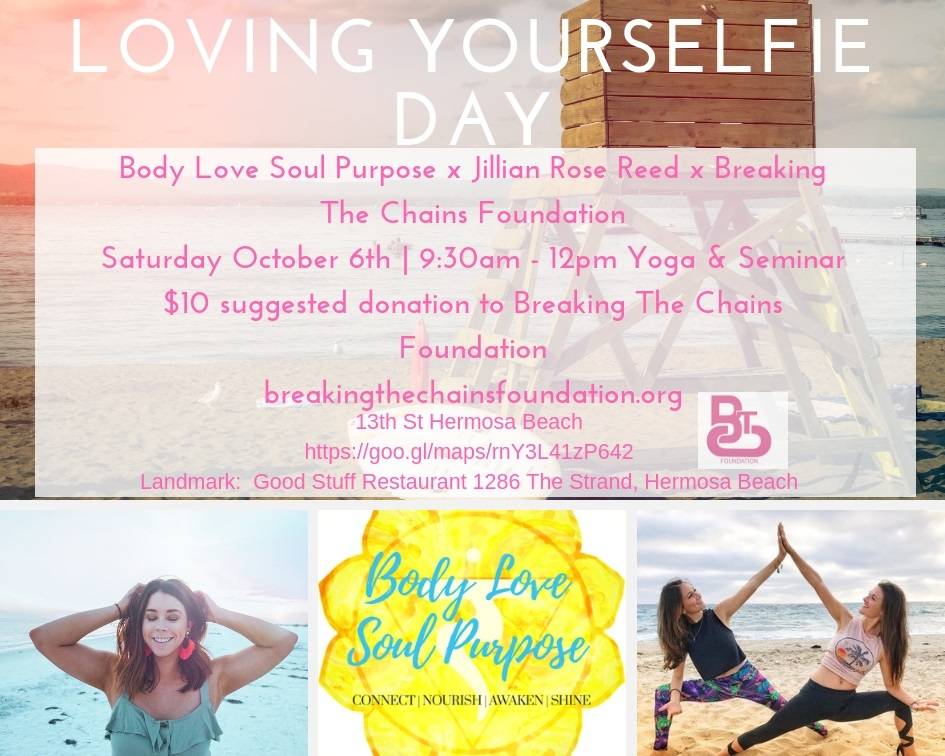
OCTOBER 8TH
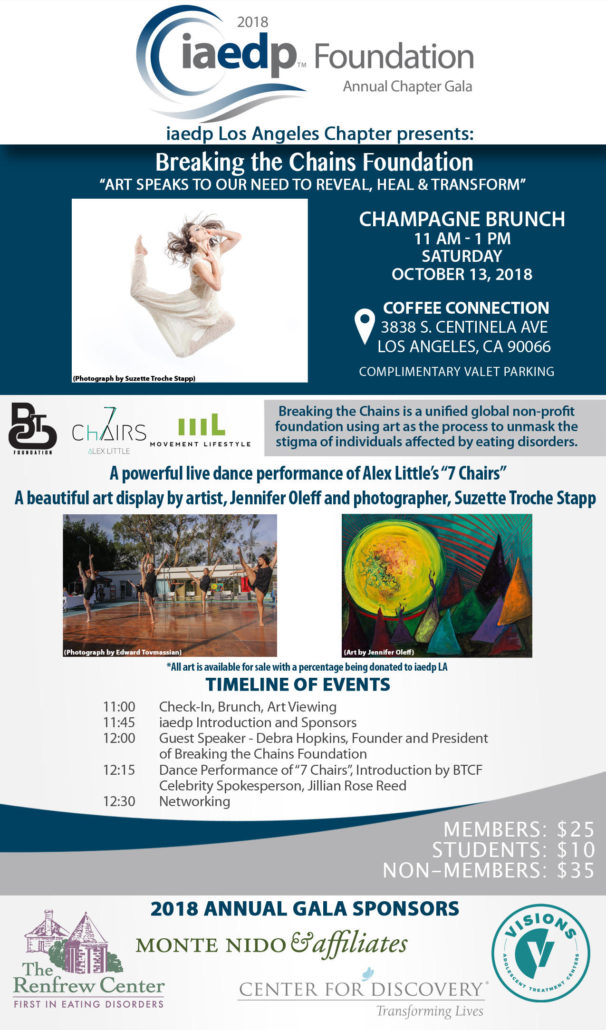
OCTOBER 13TH
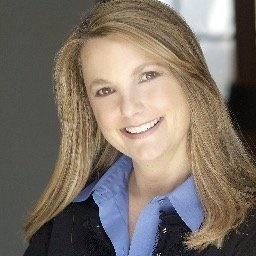
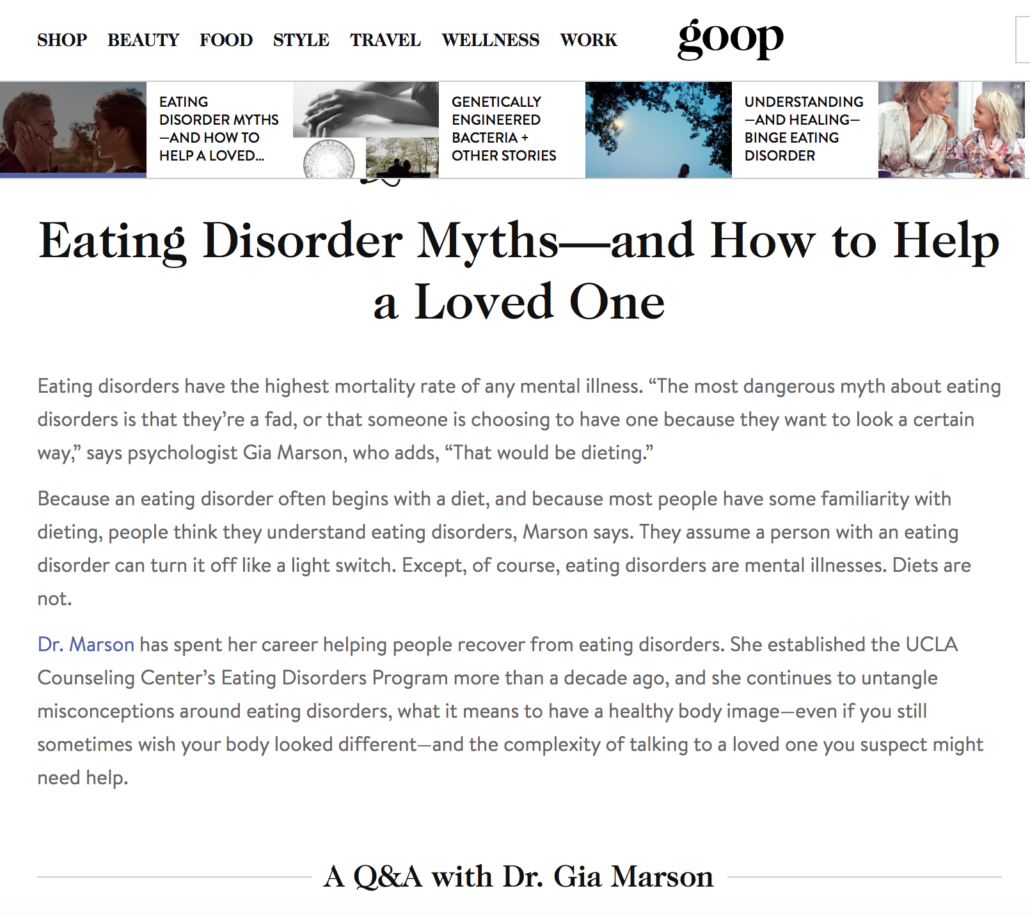
BTCF Board Member Dr. Gia Marson talks with Goop about helping loved ones with an eating disorder.
Breaking the Chains and NEDA
Breaking the Chains Foundation partnered with NEDA in support of National Eating Disorder Awareness Week on February 26 – March 4th by promoting awareness via a variety of our social media networks, celebrity support, sharing NEDA’s screening tool through our social media platforms, as well as having our own online event through out the week. Also joined NEDA in forming our own team for the Los Angeles NEDA Walk on April 7th, walking and raising funds in support of stopping eating disorders.
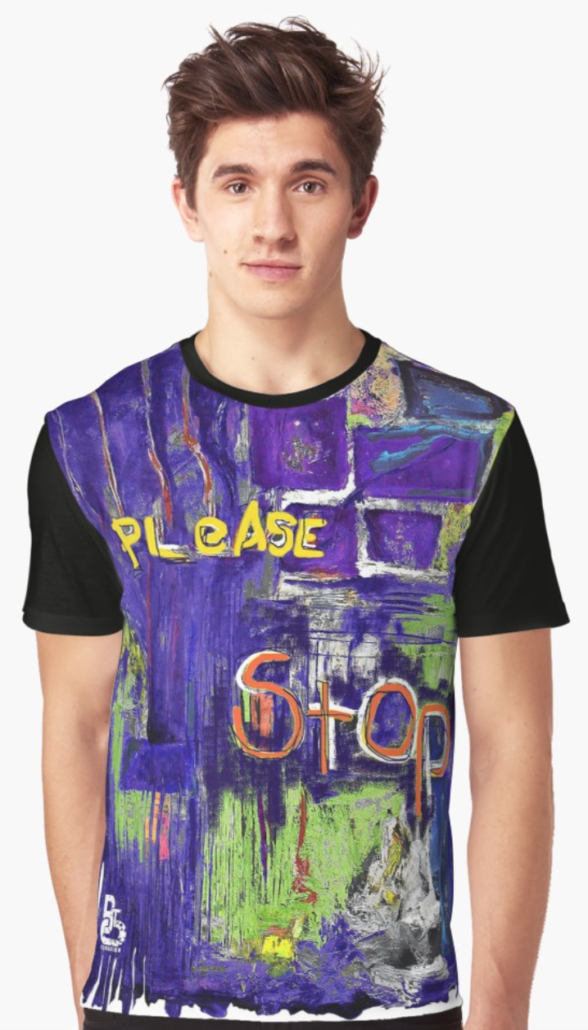
Check out BTCF Celebrity
Ambassador Jillian Rose Reed
at the NEDA walk event!
7 Chairs Dance created by
BTCF Board Member, Alex Little’s,
performed at the NEDA walk event
by 5 inspirational dancers.
GREAT NEWS
The award winning short film “FINDING ALICE” was an Official Selection both as a short film and written word in The Hollywood Dreamz International Film Festival and Writer’s Awards in Las Vegas, August 2017!

UPCOMING NEWS
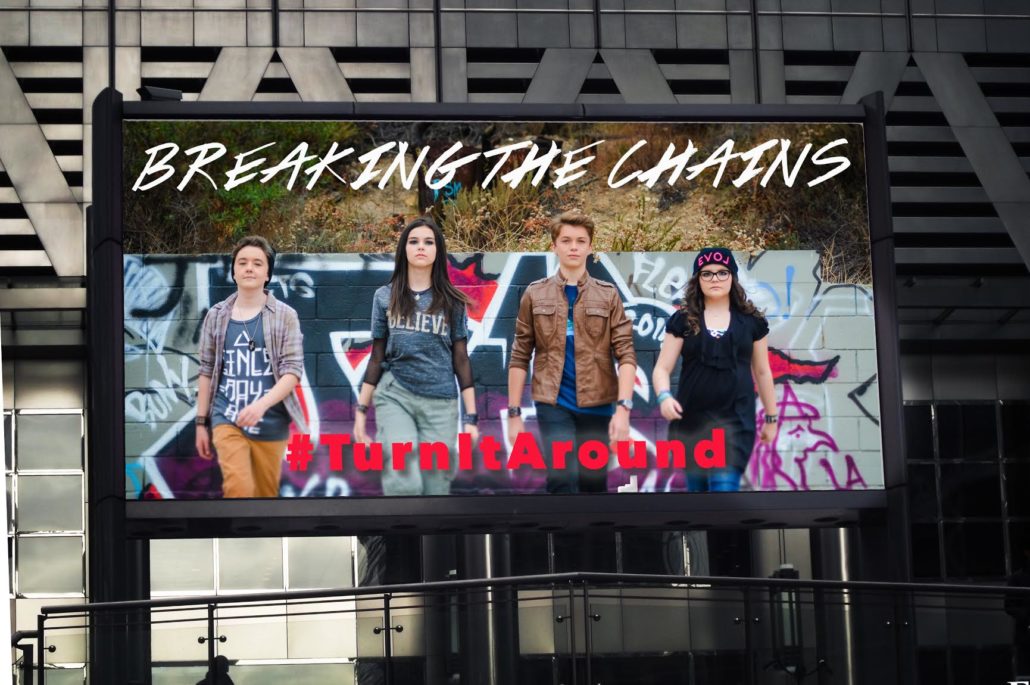
STAY TUNED! – BTCF YOUNG HOLLYWOOD CAMPAIGN
INSTAGRAM INSPIRATION



Debra’s #WhenYouKnow Story
PressDebra’s experience with overcoming an eating disorder helped her establish the Breaking the Chains Foundation, an organization committed to the prevention of body-focused and mental well-being stigmas. Every day Debra works to support people in their pursuit of mental wellness by being honest about her journey and what it took for her to find healing.
Read Debra’s Story Here
A FEATURED ARTIST INTERVIEW WITH SONJA XIE
Artist Blogs“Next time, ask ‘What’s the worst that will happen?’ Then push yourself a little further than you dare.” – Audre Lorde
By Debra Hopkins, BTCF President/Founder
Debra: At such a young age, you are the founder and executive director of the non-profit Brain Waves for Change. What inspired you to create your non-profit?
Sonja: Brain Waves for Change was born out of my passion for neuroscience, art, and most importantly, the stigma I saw surrounding mental and neurological illness in my community. At school, I felt the pressure so many students carry: the constant push to excel, the expectations to succeed, and the stress, anxiety, and overwhelming emotions during test season. For me, there’d be times when schoolwork, college applications, and extracurricular activities just kept on piling up, and everything suddenly feels too much to handle. Yet despite how common these experiences are, there is very little conversation surrounding mental health among peers, because students fear being seen as “less capable” under the eyes of family, peers, and teachers who hold certain expectations. I felt this stigma at home too. Growing up in an Asian American family, we rarely have conversations about mental health because these topics have historically been viewed as taboo, only creating a more isolating environment for anyone struggling with neurological or mental conditions. As I continued noticing stigma everywhere, even in social media posts that casually used terms like “schizo” or other diagnoses as jokes, I became increasingly drawn to brain health, advocacy, and neuroscience. I began thinking about how education, outreach, and storytelling could be used to challenge these harmful narratives, and about the potential of combining them all to create lasting change. There was no doubt that I wanted to bring these topics to my community, but also in a way that felt fresh, memorable, and less intimidating. That’s why I chose to pursue our mission through art, a lifelong love of mine, because creativity truly creates such special opportunities for connection and understanding, especially when feelings may be difficult to communicate through words. Brain Waves for Change truly aims to confront the stigma around brain illness by inspiring moments of connection, dialogue, and understanding between people of all ages.
Debra: Could you tell us a little bit more about Brain Waves for Change and the programming you focus on?
Sonja: Sure! Brain Waves for Change is a student-led, 501(c)(3) non-profit organization focused on dismantling the stigma surrounding neurological and mental illness through art. Our programming has two main pillars: education and community engagement. On the education side, we host brain health workshops for children, families, and adults at local libraries, health fairs, and schools. Whether it’s creating pipe-cleaner neurons or Play-Doh brains with younger students or leading myth versus fact activities for older audiences, our goal is to teach others about neuroscience and mental health concepts in a creative, accessible way. We’ve covered topics ranging from concussions and dementia to cognitive flexibility and brain stress. But to address the deeper stigma that persists, we work directly within the community. By leading art-workshops for groups such as seniors living with dementia or individuals with developmental disabilities, we create opportunities for high school volunteers to connect with people from all different walks of life. And during these creative activities, we often create such special moments of laughter and connection, which is what makes face-to-face connection so meaningful. Through these arts & crafts events, each participant is reminded that they are more than any diagnosis or limitation placed on them by their health or circumstances. Since our founding in 2024, we’ve held over 35 events, reached students nationwide, and worked with a network of organization partners in the brain health and wellness space who’ve been instrumental to our growth!
Debra: As a visual artist, what are your favorite art mediums, and how old were you when you first found an interest in the arts?
Sonja: I tell people that I probably started drawing before I even knew how to write. When I was four years old, I’d sit in my pink-walled basement for hours on end, doodling away, creating family portraits that would later fill the walls of my living room and designing all the purses and dresses I wish I could have in real life. But I think what made me love art the most was being able to bring anything I wanted to life— if it was in my imagination, then all I needed was some crayons and markers to bring it into real life too— and then pouring all my time and creativity and heart into creating something special to give to others as a way to show my care. While I still like to create hand-made gifts and birthday paintings for friends and family, I’ve been able to explore the more technical side of art, now that I’m older. My favorite mediums are oil painting, which makes blending colors and creating deep, rich visuals effortless, and any type of 3D work – whether it’s working with paper, beads, plastic, or clay – I love all of it.
Debra: Can you please share what some of the main benefits of combining the arts and brain health?
Sonja: Absolutely; the arts truly have such a profound impact on brain health, even despite being such different fields at surface level. For one, creative activities can help people express emotions they might not have the words for or feel ready to communicate verbally. Even just painting or drawing can help someone release any built up feelings or simply enjoy a moment of mindfulness. Art itself is also such a powerful therapy. There are a variety of studies that have shown how art engages multiple brain systems at once, such as the prefrontal cortex, limbic system, sensory-motor networks, and as a result, creating strengthened memory, attention, and even problem-solving. In fact, one of the other forms of art BWC has been exploring is music, which interestingly, has transformative effects for seniors living with dementia and their memory. Even education-wise, arts & crafts help transform complex neuroscience topics into something that is hands-on, less-intimidating, and more memorable, particularly for children. For me, art’s been such a powerful tool for taking care of my mental well-being, and through BWC ‘s brain health workshops, I hope that others too, find some kind of safe haven in simply creating.
Debra: As a published author in Schizophrenia Research, what are the areas of interest in this topic that prompted you to take such deep interest and how may it help others?
Sonja: Interestingly, my interest in the brain originated in an Intro to Psychology summer course I took the summer before 9th grade. As part of the curriculum, we’d watched the movie A Beautiful Mind, which tells the incredible story of John Nash, a Nobel Prize-winning mathematician, and his experience living with schizophrenia. I was so moved by how deeply impacted he was by the illness, on his career, his mental state, his relationship with loved ones – it was incredibly raw, heart-wrenching, and eye-opening for me. That was the first time I’d learned about schizophrenia, and from there, I became increasingly invested in both the complex neural mechanisms that underlie hallucinations and delusions and also the undeniable social stigma that persists about schizophrenia, continuing to complicate living for those with the illness and hinder access to treatment. My published work in Schizophrenia Research focused on the disparity in clozapine use (an antipsychotic) among African American schizophrenia patients by examining their white blood cell counts. In finding that certain benign variations in these counts have historically led to unnecessary treatment restrictions, I hope to highlight how important it is to consider population-level biological variation when developing treatment guidelines, so that care is both safe and equitable for all patients.
Debra: You have won numerous gallery awards as a multimedia artist. Could you share a couple of your favorite ones and explain why?
Sonja: One of my favorite pieces, which I created last year, is titled “Our Closeness”. It’s a multi-media installation (that’s still on my living room wall) that explores the crowded, chaotic, yet deeply close bond I share with my twin brother. I used painted rubber ribbons and strings that loop and slice in between charcoal portraits of our younger selves, with teal and pink to symbolizing each of us. While the composition may look chaotic at first glance, this piece means a lot to me because it captures the tension and ever-changing nature of siblinghood, the way we’ll inevitably be pulled in different directions as we grow older, yet have comfort in knowing we’ll be eternally connected by strings of love and shared memory. I love the feeling of nostalgia this piece brings, and the process of constructing the tangles of string and rubber was a blast. Another favorite of mine is “My Mind’s Mirror,” a surrealist work where I sculpted folds of a clay brain and placed small figures of myself within them to represent layers of introspection. I’m also proud of “Strangled Breath,” a soft-pastel piece critiquing the devastating impact of water pollution, with real-string glued across the surface to bring a feel of suffocation. It won 2nd place in the NY-16 2025 Congressional Art Competition and is currently displayed in my congressman’s office, which is an incredible honor!
Our Closeness, 2025, Charcoal on paper, acrylic-painted rubber, and string mounted on wall, 24″ x 34″ x 0.5″
My Mind’s Mirror, 2024, Oil, clay, and foil on cardboard, 24″ x 32″ x 1″
Strangled Breath, 2024, Soft pastel and string on paper, 24″ x 18″
Debra: BTCF uses the power of all forms of art and expression to foster creativity, build connections, and help communities thrive on their overall wellness journeys. How has your forms of art personally helped you on your wellness journey?
Sonja: Art has been such an important part of my wellness journey. Life can get incredibly busy as a senior in high school, and I cherish the moments where I can sit down, put on some of my favorite music, pick up a paintbrush, and just let my mind wander. Even simple things like drawing a card for a friend or creating digital art for my school’s magazine, help me slow down because they incorporate creativity in other parts of my everyday life. When I’m drawing or painting, I can distract my mind from any of the stress and anxiety I’m feeling and focus entirely on the process of creating. Art’s taught me how grounding it can feel to stay present, and that self-expression and mindfulness matter just as much as productivity.
Debra: Who are 3 people in your life that inspire you and why?
Sonja: I’m lucky to have so many wonderful people in my life, but the first is definitely my mom. She’s dedicated tremendous amounts of time, energy, and effort into raising my twin brother and me (my Dad too!), and her courage, whether it’s immigrating to the U.S. alone at 18 or taking on difficult tasks it seems as though most people would avoid, inspires me greatly. Second, my first research mentor, Dr. Deanna L. Kelly at the Maryland Psychiatric Research Center, continues to inspire me through her incredible work in schizophrenia treatment and metabolic psychiatry. The initial trust she had in me, despite only being a sophomore in high-school, is a huge part of why I’ve continued pursuing research to this day and why I care so deeply about addressing the socioeconomic disparities embedded into schizophrenia care. And lastly, while this isn’t one single person, I’m inspired by all the people I’ve met through Brain Waves for Change: the students, volunteers, patients, nonprofit staff, professionals, everyone. The more conversations I have with others, the more I realize how special and unique everyone’s story is – everyone is truly inspiring in their own way!
Debra: As a young teen advocate, what are three tips you can share with other teens about social media usage and navigating the challenging aspects of body image?
Sonja: While I’m certainly still navigating my own relationship with social media, I’ve seen how much it impacts teens’ mental health and believe that it’s important more than ever for us to have tools that protect our wellness. Firstly, it’s important to remember that everything that’s posted online— reels, photos, and even comments— is almost always the highlight reel of someone’s life. It’s not a portrayal of what the ideal lifestyle is, and it’s definitely not a standard you need to measure your own life against. Keeping that in mind can help interrupt the cycle of comparison that so many of us fall into when we see all the picturesque influencers online. Secondly, reminding yourself that YOU are in control; that might mean unfollowing creators who trigger negative body image thoughts, setting goals related to health rather than weight, and practicing self-care that helps you appreciate the parts of yourself that you love. Lastly, I’d say to try turning social media into a tool for self-empowerment and wellness! Connect with other teens who share your passions, and follow creators who feel authentic and make you feel heard.
Debra: Congratulations! You recently were named a 2026 Regeneration Science Talent Search Scholar as part of the Society for Science’s Top 300 selected from over 2,600 applications nationwide. Can you explain what your project was about and what it involved?
Sonja: Thank you! For the Regeneron Science Talent Search, I submitted a research project I’ve been working on for the past year titled “Neurite Degeneration Induced by UK-5099 Inhibition of the Mitochondrial Pyruvate Carrier Reveals Metabolic Thresholds for Neuronal Integrity.” While it may sound complicated at first, in simpler terms, I studied how blocking a key step in cellular respiration, specifically the transport of a molecule called pyruvate, affects the structure of neurons (our brain cells). Because neuronal branches often break down in disease and disrupt cellular signaling, hence leading to a variety of cognitive and motor impairments, I wanted to see whether interfering with this metabolic pathway could trigger similar degeneration and offer any insights into potential therapies.
I’ve always wanted to work hands-on in a wet-lab, so having the opportunity to work with Dr. Elizabeth Jonas at the Yale School of Medicine last summer was such an incredible and rewarding experience. I had the chance to work with cultured cortical neurons, apply treatment solutions using micropipettes, image the cells with an inverted light microscope, and analyze results using a specialized software. I learned so much about not only the scientific process, but also about persisting through challenges and not being afraid to chase ambitious questions, even if they’re topics I feel like I barely have prior knowledge in. This experience has undoubtedly strengthened my passion for neuroscience and my drive for advancing equitable treatment for neurological illness, and I’m always looking for ways to incorporate my research background in the community educational initiatives I lead!
Debra: What advice would you give a teen who has a passion to start a non-profit?
Sonja: To any teen who’s interested in beginning a non-profit, I’d tell them to take things step by step and be okay with stepping out of their comfort-zone. It can be intimidating to envision an established non-profit, but I truly believe that the first step is simply identifying the topic you’re passionate about— the one you can’t go more than a day without thinking about, the one you light up at anytime it’s brought up in a conversation, the one you’ve always felt emotionally connected to — and from there, it’s really your passion and dedication that lead the way. The mentors you meet along the journey and connections you make with other organizations or professionals are such an integral part of growing a non-profit, so don’t be afraid to reach out to those who inspire you! Growing up with a more reserved personality, building Brain Waves for Change has undoubtedly helped me grow my confidence and find my voice in advocating for what I care about. I also think that it’s important to remember that starting a non-profit may not be the solution to every problem. For example, joining an already established non-profit or bringing a new perspective to an existing initiative can create just as much impact on a community. But for anyone who has a vision that doesn’t already exist and feels ready to take on that responsibility, I’d say go for it!
Debra: Ice cream or cupcakes?
Sonja: Definitely ice cream, especially coffee-flavored – perfect on hot summer days.
Debra: Rollercoasters or long walks?
Sonja: Rollercoasters! The thrill of being on one, and the excitement I feel the moment before dropping, are the best.
Debra: Swimming or Yoga?
Sonja: Yoga. It’s such an amazing way to practice mindfulness and stay grounded in a busy week.
Debra: Is there anything else you would like to share?
Sonja: I’d like to thank Debra and Breaking the Chains Foundation for doing such amazing work, and for the opportunity to share my story! I’m continually inspired by everyone I meet through Brain Waves for Change, and hope we can keep building spaces where conversations about brain and mental health are supportive and stigma‑free.
Thank you, Sonja!
Learn more about Brain Waves for Change here:
Website – Instagram – Linkedin
AN INTERVIEW WITH ATLEE FEINGOLD AND DEE WISNE
Artist BlogsBy Debra Hopkins, BTCF President/Founder
Debra: How did you both come up with the concept of your short animated film, NORMAL?
Atlee: Dee came to me with the idea as an audio project in early 2020. She was toying with the idea of it being animated and knew she wanted it to be a short but wasn’t exactly sure of the structure. At first, she had titled it “Unhealthy,” but as we continued to talk about it the word NORMAL kept coming to my mind. Unfortunately, eating disorders and disordered eating are so normal and normalized in our society today that their practices are oftentimes revered and as “healthy.” So we decided on NORMAL. A title that seemed to accurately describe the prolific nature of these disorders and also begged the question such as… What is NORMAL? Why is our disordered relationship to our bodies, food and exercise such an overwhelming universal struggle? And when did this become so… Normal?
Dee: I came up with the idea of “Normal” through reflecting on my own suffering and the suffering of those around me. I remember feeling like there were some people in my life who couldn’t possibly understand the internal conversations and calculations that were going on inside my head, day in and day out. And I knew that I wasn’t alone; I was having vulnerable conversations with friends who also felt that their relationship with food and their body created an immense amount of psychological and emotional pain, not to mention took up an immense amount of time in the day. But most of us didn’t identify with anorexia or bulimia…we felt that what we were experiencing was womanhood, the price of being a commodity on the market. I was struck by how “normal” and ubiquitous it was to be constantly monitoring my food and body. This film was born out of a desire to shine a spotlight on this unhealthy norm that I felt I couldn’t escape, and which I believed some men in my life would never understand. (Now, our project has expanded to encompass all genders, but I first envisioned “Normal” as a woman’s story. Now I see it as a human story.)
Debra: What was the process of reaching out to so many folks to contribute their voice and individual story?
Atlee: We first started with friends and family members that we knew had a meaningful connection or experience with the subject matter. We then created a social media post calling on the greater community to share their stories with us. Surprisingly, a large number of people we had never met replied to us wanting to be a part of the project. We were very careful to make sure we got a variety of voices ranging in ages from 8 to 83, spanning generations, genders, and both racial and socioeconomic backgrounds. It was important to us that NORMAL be a project that accurately showcased the truth about eating disorders/ disordered eating and their presence in all types of communities, not just the straight, white, women between the ages of 13-30 that we so often see depicted in the media.
Dee: What Atlee said!
Debra: There is a strong dynamic between how people relate to their own bodies when it comes to relationships with food and how many of these toxic behaviors are normalized. Did some of the people who shared their story make peace with themselves during this journey with you both? If so, in what way?
Atlee: Yes, one participant comes to mind. Let’s call her… Beth. Beth had gone to I think about eight inpatient programs for anorexia, and with each program she said she got worse. It wasn’t until she decided to try and confront her disorder in the “real” world that she felt herself start to shift. Through speaking with me about where she had been and where she currently was I feel she was able to really reflect and marvel at her own strength and perseverance. Through her interview I think she began to see herself not just as someone who was currently in the throws of her own recovery journey, but also as someone who could be a resource to those going through similar struggles. She seemed to move into a place of acceptance and, dare I say, celebration, as she recalled her own bravery and tenacity. Recalling her own personal “heros” journey seemed to help move her into her next chapter of discovering who she was now, without the constant presence of her ED.
Dee: I had multiple conversations with women who did not see themselves as suffering, but as failing. I interviewed an acquaintance from my hometown who spoke of failing to “be good” around food, failing to “fit into old clothes,” and failing to exercise when she was sick. Over the course of our conversation, something seemed to shift in how she perceived herself. When I asked if she would like to be connected to any ED resources, she shared that she’d never considered her overeating and restricting patterns to be anything other than shameful. I believe her conversation with me opened a window into a new way of understanding her suffering. After a multiyear self-love journey, she reports being healthier physically and emotionally than ever!
Debra: BTCF uses all forms of art as healing tools to tap into the various places and spaces within oneself that are in need of realization, discovery, and healing. How do you both use your form(s) of art to find healing and resolve?
Atlee: I feel like all of the art I’ve ever created in one way or another came from a place of process and healing. For example, I got very depressed when I lived in LA, and nothing seemed to pull me out of it. I felt completely stuck both in my professional and personal life, and I knew something needed to change. So, I found myself turning back to one of my first loves, dance. To break myself from the chains of apathy a friend and I did a 30 Dances in 30 Days challenge, where we each choreographed, shot, edited and released a dance a day for 30 days. It was one of the most joyous and free-flowing times in my life, and completely brought me back to myself and pulled me out of my depression. This project is a perfect example of how turning to art and movement can oftentimes bring us back to our center and remind us of who we truly are and all of the beauty and brightness that surrounds us.
Dee: It’s cliché to say, but I find that art lends meaning to my life. When I am experiencing hard times or tough emotions, I think: “What great art I can make from this!”
Debra: The idea of your film is so that no one ever has to feel alone. This concept is cherished by BTCF as well. How powerful do you think it is to share personal story through art so that one may be prompted to feel less alone? Why?
Atlee: I think it’s paramount. Sharing the real and raw details of my personal struggles is an everyday motivation for me. I make a point to share and process the hardships I’ve gone through publicly in hopes that they help others feel less alone in theirs. Reading stories, watching art, listening to music or reading books that talk about similar challenges to what I’ve experienced helps me put my life and my pain into perspective. The public processing of others’ pain expressed through their unique lens, their unique strategies and coping mechanisms as well as the insights from their unique reflections help me to feel seen, less alone, and also inspire me to look at my pain or grief from a more unifying and connective place vs a place of isolation and paralysis.
Dee: Shame loves silence. In my experience, to see yourself reflected in a story or in art…it not only gives structure and words/images to your suffering, but it chases away shame.
Debra: Atlee, you have been in TV and Fim for over 15 years. What is your favorite part of your journey so far and why?
Atlee: Oh wow… what a great question. I guess I would have to say the people I’ve met along the way. You meet such interesting characters when working on pieces of art especially those in film and TV because it is such an intense and all consuming environment it attracts a very “eclectic” type of person. Whether it be those behind or in front of the camera everyone I’ve met has such a rich story and full lives. It seems the personality that is drawn to crafting cinematic narratives is one of a “jack-of-all-trades.” Everyone has a million different passions and, most of the time, they are quite good at all of them. Whether it’s the grip who also bakes award-winning cupcakes, or the makeup artists that compete in archery, or the actress that does trapeze… everyone is a Renaissance human. With each show, film or project you work on you form a little family. A family of misfits that all are hired to be equally as obsessed with a singular specific story or subject matter for a very focused and finite amount of time. This creates a very specific and accelerated form of intimacy and closeness that is unique to the arts and hard to find in most other working environments.
Debra: Dee, through your documentary work, which project was the most fulfilling and why?
Dee: I worked on a docu-series with NBC called “Survival Mode,” which explores the human impact of climate change-driven natural disasters via focusing on the survival stories of select families. For our episode on the devastating 2022 Eastern Kentucky floods, I spent two weeks embedded in Hazard, Kentucky, a former coal-mining town. Living and working in this often-overlooked region allowed me to experience Appalachian culture firsthand and gain a deeper understanding of a community that’s too often forgotten. Projects like this, which highlight underrepresented stories and amplify voices that challenge prevailing narratives, are what I’m most passionate about.
Debra: Atlee, what do you want people to take away from your short film, NORMAL? How can they get involved?
Atlee: I want those who watch NORMAL to get an intimate look into the everyday impact eating disorders and disordered eating have on those who experience them. I also want the viewer to get deeper insights into why people may turn to these disordered coping mechanisms and to understand that nine times out of time the impetus for these behaviors comes from deep traumas and not superficial goals. I also would also like those who have experience personally with the subject matter to see themselves in others’ stories and to deeply realize that they are not alone and that so many others struggle just like them. Over archingly, I want everyone who watches NORMAL to question why and how these disorders have become so “normal” in our society today and what that says about the overall health of our communities and our lives.
People can get involved by donating to our GO FUND ME. We already have a 10 minute cut as well as an incredible animator, Michael Pisano signed onto the project and currently we just need to reach our funding goals. We have raised almost $3,000 thus far and need just $12,000 more to reach our total goal. These funds will go directly towards the project’s animation, audio editing, production costs and short festival submissions. The simplest way to help us out is to donate through our GO FUND ME and share it with your community.
Debra: Dee, you are the founder of a worldwide campaign of a self-affirmation club called winkme.org. Can you share a little bit about your mission?
Dee: WinkMe was born in 2014 when I was just 17 years old! Similar to “Normal,” I wanted to create a shared space for women to change the culture around self-criticism and to support each other in pursuing self-love. I brought WinkMe to Barnard College in 2015, and they still meet today under student leadership. 🙂
Debra: There are so many voices and stories in NORMAL. The idea is to make it animated, and your concept art is quite interesting. Can you share with everyone what that looks like for you both, and why you chose this type of animation?
Atlee: Yes! We actually have a sneak peek into our animation style and hero character ideation which we would love to share with your audience! We wanted to go with something experimental and amorphous. Something that could shape shifts to represent all of us. We decided to go with animation over audio because we felt it was a creatively rich and sensorially engaging way to deliver the sometimes heavy and unapproachable truths about eating disorders/disordered eating.
Dee: What Atlee said!
Debra: Dee, favorite ride? A roller coaster or bicycle?
Dee: Bicycle baby. I like to be in control!!!! Lol.
Debra: Atlee, favorite film? Drama or comedy?
Atlee: Of all time, definitely Father of the Bride 1 & 2. I am a sucker for a good 90s movie. It is my all-time favorite genre. Another good one is 9 Months.
Debra: To be NORMAL, NORMALIZED, or what is NORMAL?
Atlee: I think I would choose – What is NORMAL?? Because there is no such thing in my opinion. Everyone and everything is uniquely itself… and to try to be anything else robs it of its magic.
Dee: I am not the best person to ask because, unfortunately, I am a lil freak.
Debra: Is there anything else either of you would like to share?
Atlee: I guess one last thing I would like to share is our desire to have the film be funded by the ED community itself. We decided to go with crowdfunding because we thought it would be even more powerful to have the film be funded by the community that knows its truths most intimately. Who better to endorse the project and bring it to the finish line than those who have lived it themselves.
Dee: We are raising money to pay our amazing animator. If anyone would like to make a contribution, we would SO appreciate it! You can find our fundraiser at www.gofundme.com/f/fund-normal .
Debra: Thank you both so much!
Click on Atlee and Dee’s links below:
GO FUND ME
IG STORY
DEE’S IG
ATLEE’S IG
“NORMAL” TEASE