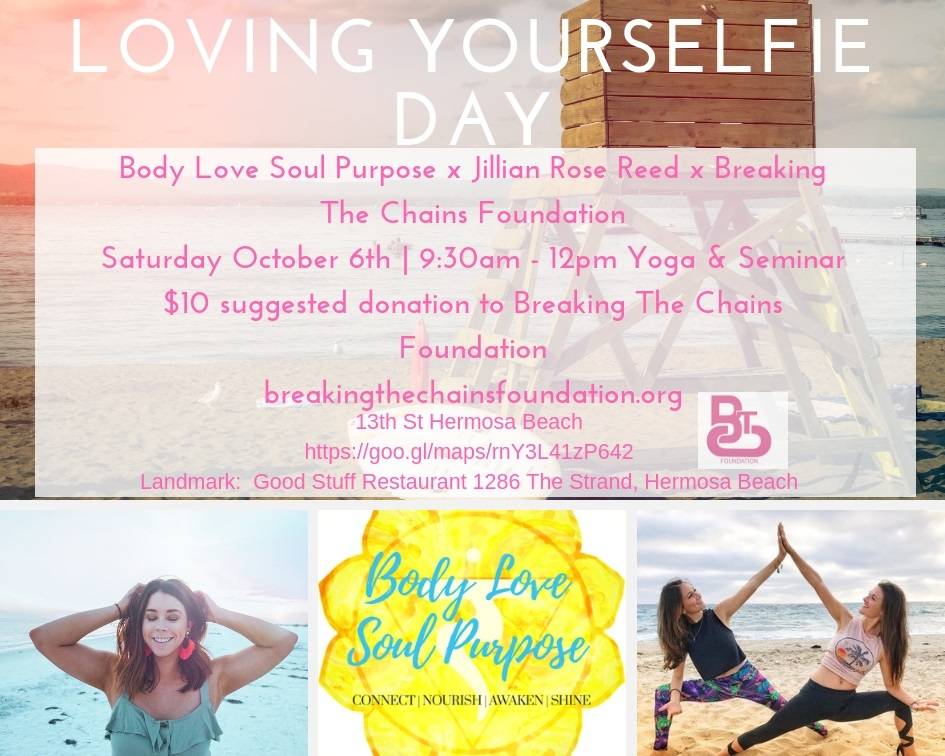
OCTOBER 8TH
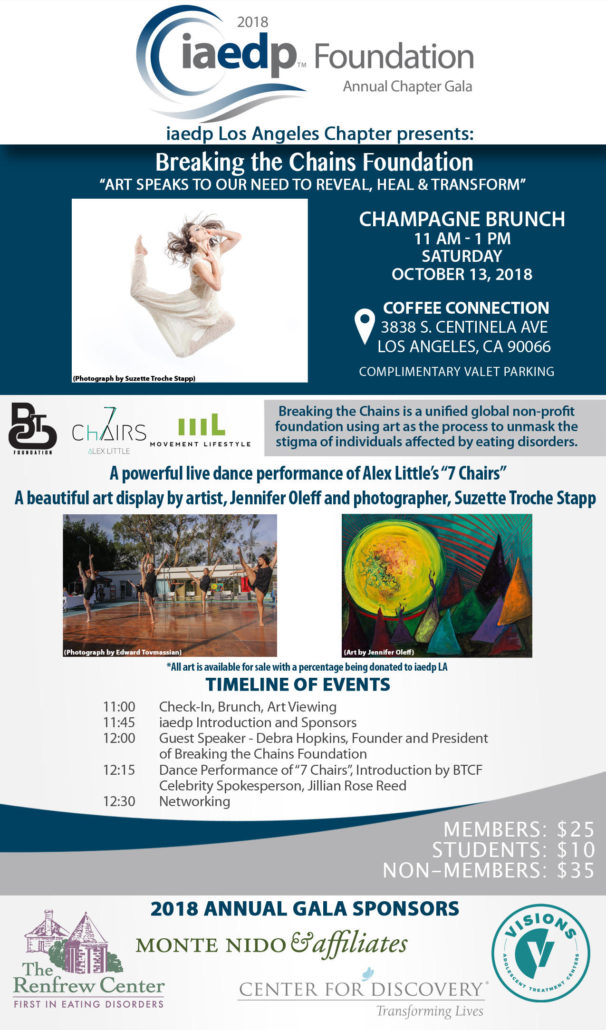
OCTOBER 13TH
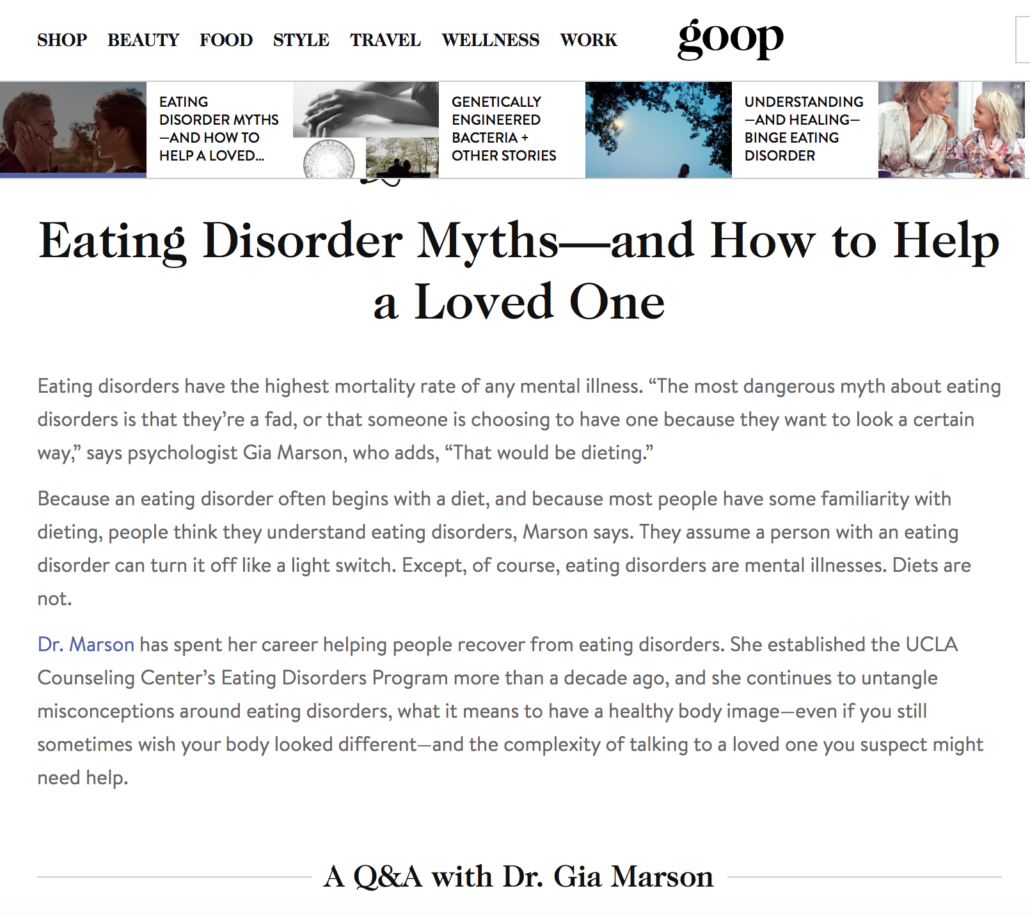
BTCF Board Member Dr. Gia Marson talks with Goop about helping loved ones with an eating disorder.
Breaking the Chains and NEDA
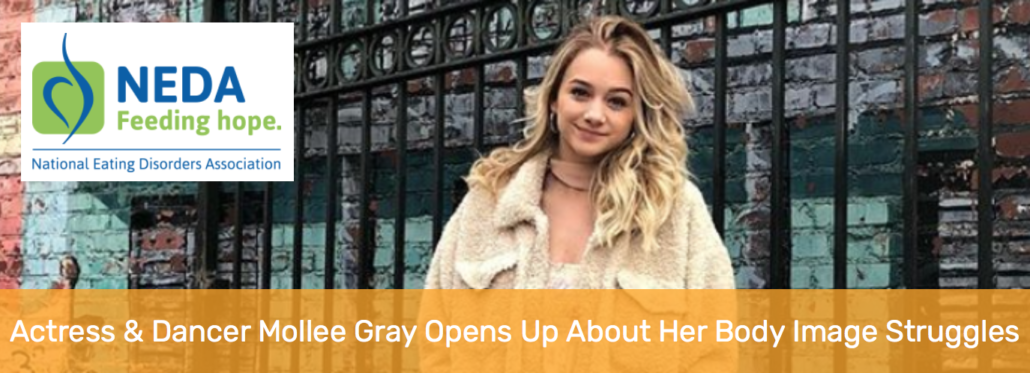
Breaking the Chains Foundation partnered with NEDA in support of National Eating Disorder Awareness Week on February 26 – March 4th by promoting awareness via a variety of our social media networks, celebrity support, sharing NEDA’s screening tool through our social media platforms, as well as having our own online event through out the week. Also joined NEDA in forming our own team for the Los Angeles NEDA Walk on April 7th, walking and raising funds in support of stopping eating disorders.
Check out BTCF Celebrity
Ambassador Jillian Rose Reed
at the NEDA walk event!
7 Chairs Dance created by
BTCF Board Member, Alex Little’s,
performed at the NEDA walk event
by 5 inspirational dancers.
GREAT NEWS
The award winning short film “FINDING ALICE” was an Official Selection both as a short film and written word in The Hollywood Dreamz International Film Festival and Writer’s Awards in Las Vegas, August 2017!

UPCOMING NEWS
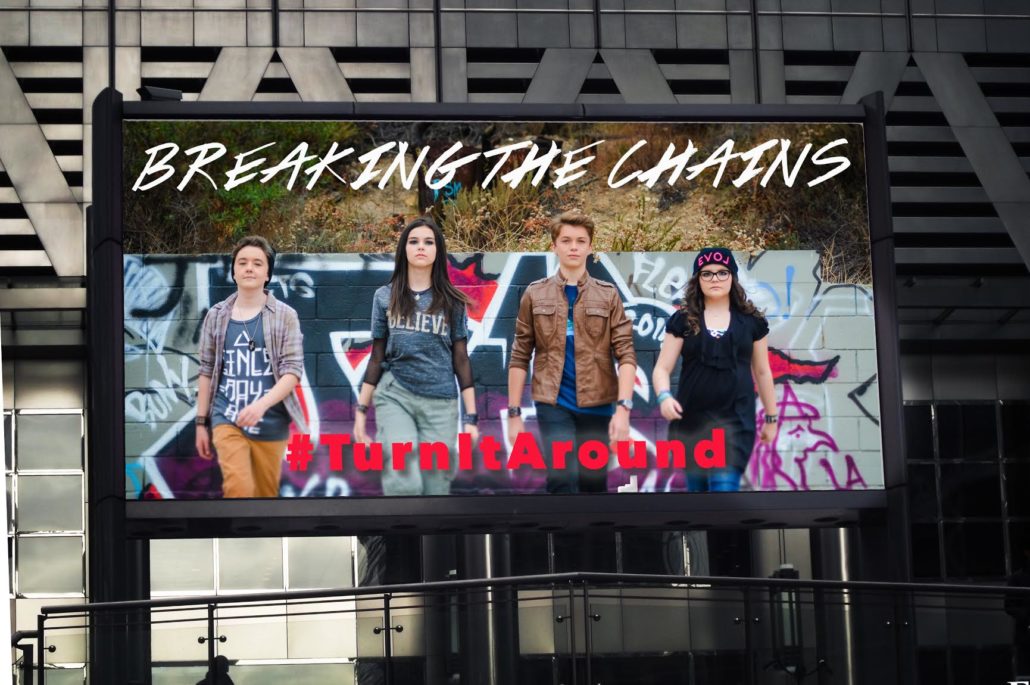
STAY TUNED! – BTCF YOUNG HOLLYWOOD CAMPAIGN
INSTAGRAM INSPIRATION



A FEATURED INTERVIEW WITH ALICIA MITAS
Artist Blogs“Your now is not your forever.” From a book called Turtles
All The Way Down
Interview by Debra Hopkins, BTCF President
Debra: What is your favorite piece that you have written in any publications? Please share about it.
Alicia: Probably the personal essay I wrote a while back called “OCD Isn’t an Aesthetic: How The Mental Illness Ruined my Childhood and Teen Life” on the Medium. It gave me the chance to really be thorough and describe how it affected a lot of my behavior as a kid and a teen. Like my social life being basically nonexistent in high school because of it, for example. Or when my mom or dad would have to wait outside of social events or very few hangouts I had because I was scared of being sick without them there. It gave me the chance to talk about the ugly parts of OCD, and the response I got was really good. The comments and DMs and people sharing their own stories and feeling comfortable enough to talk to me about their experiences too.
Debra: You are a strong advocate for OCD and have openly shared the struggles you have faced. What do you think is a major misconception about OCD, and why do you think this misconception exists?
Alica: OCD has been stereotyped a lot as being neat and tidy and organized, like everything is color coded and just so. But the reality is, OCD doesn’t ease stress. It causes it. The misconception comes because of one form of OCD (ordering and arranging/ symmetry OCD), only thinking about a behavior of one form without looking into why. If someone has a certain organization pattern with OCD, the reason could range from the “just right” feeling to “I have to do this, or my loved one will be hurt”. I think out of all mental illnesses, society looked at the behavior and misinterpreted it as aesthetically pleasing for the sufferer versus the reality being that the behavior is from distress and a need to prevent whatever. And society doesn’t necessarily like to break the image of things being aesthetically pleasing, so even today people with OCD still have to work hard to bring awareness and educate people.
Debra: What advice would you give to those who want to learn more about OCD?
Alicia: Social media has been such a blessing for awareness, and a lot of people on social media have become less afraid to talk about their struggles and experiences with OCD. Listen to influencers’ experiences with it. Listen to actors and creatives’ experiences with it. Amanda Seyfried, Jenna Ortega, Camila Cabello, and many others in the creative industries have come out talking about their struggles with the disorder in a real and raw way.
Debra: As a content creator, you have partnered with major film studios like Lionsgate, Netflix, and Sony Pictures. What is your favorite part about these types of partnerships and why?
Alicia: I think it’s been hard to find a balance between bringing awareness to OCD and separating myself from OCD. It’s hard to disassociate your identity from something that’s taken up most of your life. I’m 23, and I’ve lived with it for over 16 years. Having only 7 years with normal thought patterns when your brain is still developing is nothing; I mean, that’s insane to think about. So when I get to wear nice and pretty dresses and get my hair and makeup done and go to these events celebrating art through stories on screen, not to sound corny but it’s when I feel like Alicia. And when at the same time with my OCD, even though I have found ways to cope, the background noise can be tiring and hard to turn off. But films and stories on screen shut my brain off and for once, I’m not in my own brain, but focused on the thoughts and minds of the characters on screens. So all of these opportunities give me the opportunity to separate myself and my mind from OCD and to just have fun while supporting creative work.
Debra: BTCF focuses on breaking the chains of mental health and body image struggles while providing artistic programming and services for those looking to “link” with others on their wellness journey. What forms of art do you enjoy and how do they create positive connections for you both personally and professionally?
Alicia: I come from a family of artists, so I connect with art personally because I was taught early on the importance of art and art forms. Since my Dad is a graphic designer for TV, he got my sister and me into drawing and art appreciation at really young ages. My sister and I did a lot of art classes together. We actually have our artwork strewn about in the house; we have one of my dad’s paintings that he did from college at SVA (School of Visual Arts in NYC) hanging in the living room, and then we have my sister’s and my paintings in the living room and kitchen, so we have visual reminders of the importance of art. I think professionally it’s led me to learn a lot about behind-the-scenes work in the industry, which is really helpful with one of my niches for work, Marvel and DC. Especially when looking at the stages of these studios’ graphic design work. I’ll have my dad’s brain when thinking about Thanos from the first Avengers movie compared to Infinity War, there was a lot of art development. And it’s things like that that lead me to appreciate the art forms of TV and movies.
Debra: What are some of your favorite books, and where is your go-to place to read them?
Alicia: I haven’t been reading as much as I should, but my favorite will always be “The Outsiders”. It was a required reading in my school and I fell in love with it. I still go back to read it or other think pieces on it years later. I also love the “Little House on the Prairie” books. My parents named me after a character on the show, Alicia Edwards, and my mom introduced me to the series the day I was born (I’m not joking) and watched the show in her hospital room, and then book series when I was old enough to read them. I usually read them in my room.
Debra: Social media can be a challenging space to navigate for individuals of all ages, especially youth. What would you recommend to those who struggle with body image and find themselves defining their worth by what they see online?
Alicia: I’d say not just “don’t compare” because it’s easier said than done, but the honest truth. A lot of what you see from influencers or older girls on social media is manufactured. I think it’s so different nowadays because we’re in an age where you can buy your looks. Not just clothes or makeup but change the littlest things about your face or body. It’s just not realistic to compare yourself to girls who are paying thousands in treatments or weight loss products. And if you’re a teenager, your body is not going to stay the same as you grow and get older. Your body is changing and growing, and it will go through a lot of stages. It did for me because I myself had gut health issues that I didn’t get answers for and fixed until I was 19, so I was midsize to overweight for most of my teenage years. And being bigger in size versus smaller doesn’t mean a difference in beauty or worth.
Debra: What are your top three self-care activities, and why do you choose them?
Alicia: My number one is watching movies and TV, for the reasons I explained earlier. I’m excited for the last season of “Outer Banks” that I get to binge, and when it comes to movies, I have this habit of watching a designated actor’s filmography and repeating the cycle (I’m currently on Ben Affleck) My second is baking because I have a sweet tooth in general, even though it benefits the whole house. I’ve been baking for years, but whatever I bake is gone in the snap of a finger, especially my gluten-free banana bread or gluten-free pumpkin bread. My last one is spending time with my dogs. I got my rescue, Moose, a pug and chihuahua mix, as a reward for completing certain things in my OCD treatment. We’ve had him for over eight years now. And then there’s my other dog, Gracie, a dachshund and miniature pincher mix.
SPEED ROUND:
Rollercoaster or bicycle?
Alicia: Bicycle
Long walks or a day at the beach?
Alicia: Day at the beach
Bagels or donuts?
Alica: Bagels, I’m loyal to New Jersey and New York
Debra: You are a talented content creator and positive influencer. What are three key considerations people should have when creating content for TikTok?
Alica: The first is don’t be afraid to be embarrassing. It’s the embarrassing stuff that can make you go viral. My first viral video was baking a cake with a Veggietales cake pan, and to this day I’m still one of the main CEOs of Veggietales niche. The second is a variety of content; it’ll take awhile to figure out what works for your algorithm. Lastly, just have fun with it! TikTok is a great platform to connect over so many passions, and I’ve made my closest friends from the app.
Debra: As a young girl, what were some of your biggest dreams, and which ones came true?
Alicia: I dreamed of being heard. With being dismissed by everyone around me for my OCD, both adults and people of my youth, I just wanted someone to listen and to help them understand or encourage them to be understanding with me and others whose brains function like mine. Which is why I’m so grateful to be part of BTCF, because it amplifies not only voices of me with OCD, but of mental health struggles some are anxious to talk about. This one is a little corny, but I dreamed of wearing evening dresses in any context. OCD took a lot from me, which included nights out and school dances, so I dreamed of getting to wear something that made me feel beautiful. I bought one recently that I’ve been obsessed with for so long, and even though the original is no longer made or listed anywhere, I was able to find a nearly identical piece that I’m excited to wear. I also dreamed of having close bonds and friendships with people since I didn’t have a lot of that in my childhood and teen years. It’s a small dream to others, but big to me, and I’m very happy it came true and value a lot of those bonds.
Debra: What is one thing that you are willing to share that not that many people know about you?
Alicia: I have very niche visual interests that I also collect. Rocks and minerals, glass-blown art, and shells all fascinate me. My best friend made fun of me when I visited her in Florida (in good fun) because I wouldn’t stop running around collecting seashells on the beach that were nothing like the ones on the Jersey shores.
Debra: What advice would you give to young people pursuing a career in the entertainment industry like yours?
Alicia: I think what’s beautiful about this industry is a lot of us want to help each other out, and we’re all trying to go to the same destination of success. I’ve gotten good tips from people and been pointed in the right directions, and vice versa. So my advice is lean on each other in the industry.
Thank you, Alicia!
You can find more about Alicia on her social.
TikTok and Instagram @alicianotsograceful
A FEATURED ARTIST INTERVIEW WITH NADINE MACHKOVECH
Artist BlogsA FEATURED ARTIST INTERVIEW WITH BELLA SANTOS
Artist Blogs“Believe you can, and you’re halfway there.” – Theodore Roosevelt
By Debra Hopkins, BTCF President, Founder
Debra: What inspired you to become a photographer, and how did your journey begin?
Bella: I actually went to a technical college for accounting. It was practical and stable, so after college I got a job working in a tax office preparing tax returns and doing bookkeeping for small businesses. I quickly realized I absolutely hated it. I knew I needed to make a change and pursue something more creative. I had always followed big photography accounts on Instagram and loved the artistry of it all. The way a single photo could capture so much emotion. So in November of 2024 during Black Friday, I purchased my first camera and made the leap from accounting to photography.
Debra: What is your process for creating photography storytelling experiences with your clients?
Bella: I like to start by observing how a family or couple naturally interacts with each other so I can understand their dynamic. From there, I guide them in ways that still feel natural and authentic. My goal is to capture moments that genuinely reflect who they are and the connection they share.
Debra: BTCF focuses on breaking the chains of mental health and body image challenges. We do so by using various art forms as healing tools to promote positive well-being. How does your chosen art form facilitate healing for you and for others?
Bella: Photography allows me to capture people as they genuinely are. I love documenting the in-between moments that often go unnoticed. When people look through their gallery, my goal is for them to see the love they share with the people around them. I think that can be incredibly healing. For me personally, photography helps me slow down. Especially when I’m photographing events, I have to be very observant – watching the light, expressions, and connections between people. That awareness carries into my everyday life as well.
Debra: Your photos convey genuine emotion and tell a story. What is your approach?
Bella: My approach is to create an environment where people feel comfortable being themselves. When people feel relaxed and safe, their genuine emotions come through naturally. I focus less on perfect poses and more on capturing authentic interactions, expressions, and little moments that help tell a story.
Debra: What are three of your favorite self-care tips, and can you give examples of how you make time for them in your life?
Bella: My biggest one is spending time outside and slowing down. I love going on walks and getting fresh air..it’s incredibly therapeutic for me. Another one is creating without pressure. Whether it’s photography, painting, or journaling, it’s so healing to create just for the joy of it without needing approval from others. Lastly, one I sometimes struggle with is rest. We often prioritize productivity over rest, but taking time to recharge is so important.
Debra: You took photos for us at our “Big C New Me Power Crew” Event in Lakeland, Florida. This program supports cancer survivors and caregivers. What motivated you to participate and why?
Bella: I thought the event was such a beautiful way to support cancer survivors and caregivers. Being able to document something so meaningful and uplifting was really special to me. If I can contribute even in a small way by helping capture those moments, it feels incredibly rewarding.
Debra: Social media significantly influences the lives of young people. Can you share three tips for youth to help them navigate this space positively?
Bella: Social media can definitely be difficult to navigate. The most important thing to remember is that it’s often just a highlight reel. Most people don’t share their struggles online, so it’s easy to fall into comparison. Another tip is not to let likes or follower counts define your worth or talent. Social media should be a place to express yourself and connect with others. Lastly, be mindful of what you consume. The content you follow can shape your mindset, so it’s important to surround yourself with people who inspire and uplift you.
Debra: Who inspires you in your life, and why?
Bella: My close friends and family inspire me the most. My dad is one of the hardest working people I know and seeing how he runs his business motivated me to start my own. My best friend Ashley has been by my side through so many seasons of life and inspires me to show up for others in the same way. I’m also inspired by friends like Lilly and Skye who consistently lead with kindness. I’m lucky to have such supportive people in my life.
Debra: What is your favorite form of photography and why? Is there a story to this?
Bella: I absolutely love photographing couples. There’s something really special about capturing the love two people have for each other. Those small moments like the laughs, glances, and little interactions tell such a powerful story.
Debra: As a professional photographer and a young person yourself, what would you say to young teens who aspire to become professional photographers?
Bella: I’m still learning new things every day, so my advice would be to stay curious and keep learning. The best thing you can do is start where you are and keep practicing. There’s really no substitute for putting yourself out there and just beginning.
Debra: Outdoor or Indoor photography?
Bella: Indoor photography. For events especially, it’s more controlled and I don’t have to adjust my camera settings constantly as the light changes.
Debra: Ice cream sundaes or fruity slushies?
Bella: Ice cream sundaes, for sure.
Debra: Do you have any upcoming news or anything else to share?
Bella: I hosted my first giveaway last month and it went really well, so I plan to start doing them regularly. My Instagram @bellaroseoriginals is the best place to stay updated and see my portfolio, and it also has a link where people can inquire about sessions.
Thank you so much, Bella!
Please visit Bella at https://bellaroseoriginals.com
Instagram: @bellaroseoriginals